
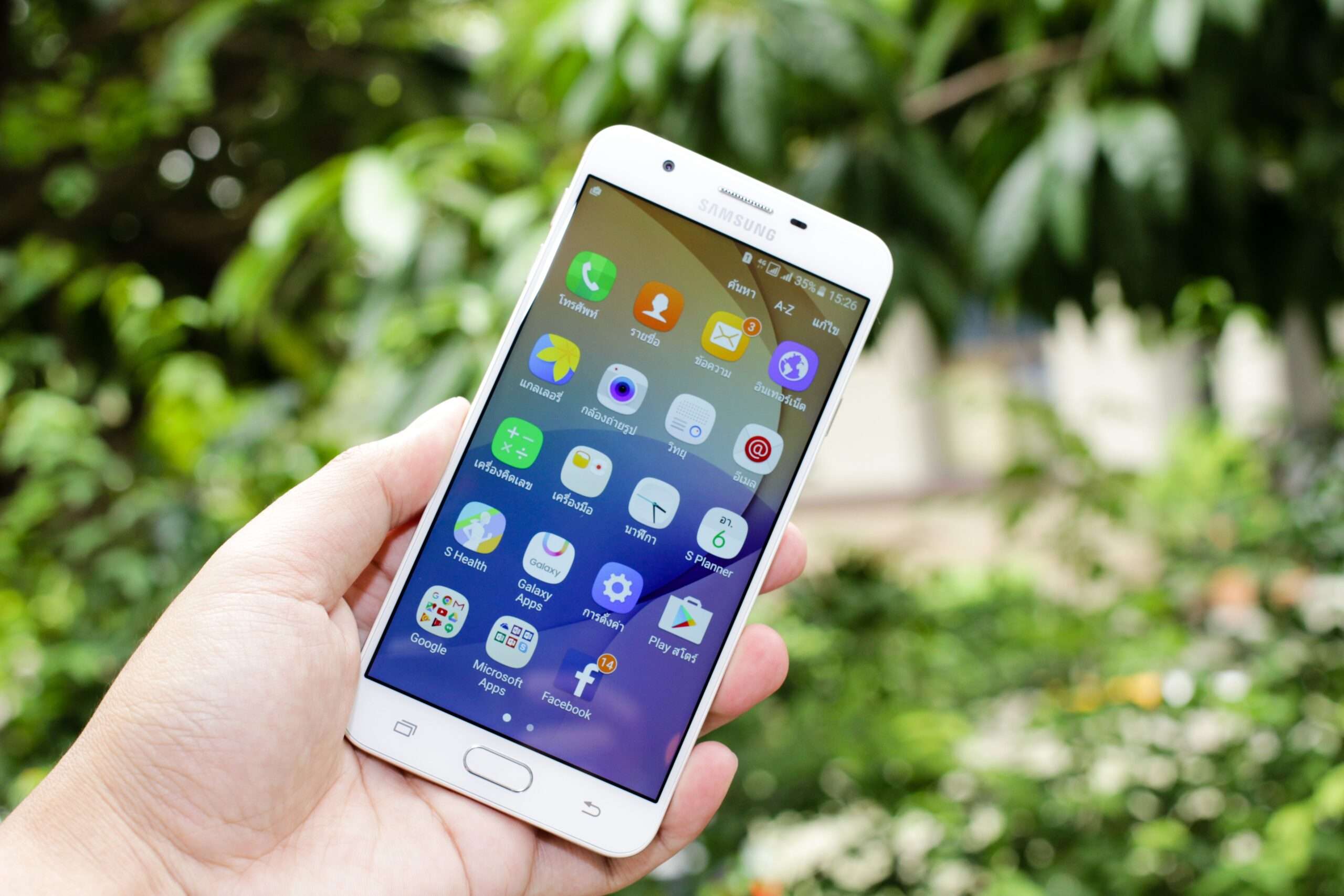
Over 60 percent of all web traffic now comes from mobile devices, and for many industries that number is even higher. If your business website was designed primarily for desktop screens and then adapted for phones, you are likely losing customers before they ever see what you have to offer. Mobile-first design flips that approach, building the experience around the smallest screen first and then scaling up for larger displays.
The Shift to Mobile Dominance
The way people use the internet has fundamentally changed. Customers search for local businesses, compare products, and make purchasing decisions from their phones throughout the day. For service-based businesses in the Midwest, this is especially relevant. A homeowner looking for a contractor, a business owner researching software vendors, or a plant manager searching for equipment suppliers is more likely to start that search on a phone than on a desktop computer. If your site loads slowly, displays awkwardly, or requires pinching and zooming to read, that visitor will move on to a competitor whose site works better on their device.
What Mobile-First Design Actually Means
Mobile-first is a design and development philosophy, not just a technical checkbox. Rather than designing a full desktop layout and then trying to squeeze it onto a small screen, the process begins with the mobile experience. Content is prioritized ruthlessly. Navigation is simplified. Touch targets are sized appropriately. Load times are optimized for cellular connections. Once the mobile experience is solid, the design is progressively enhanced for tablets and desktops, adding layout complexity and additional content where the extra screen space allows it. This approach forces clarity and focus, which ultimately benefits users on every device.
The SEO Connection
Google has used mobile-first indexing as its default for several years now, meaning the search engine primarily evaluates the mobile version of your site when determining rankings. A site that performs poorly on mobile will rank lower in search results, regardless of how polished the desktop version looks. Page speed, content accessibility, and responsive layout are all ranking factors that directly tie back to mobile performance. For businesses that rely on local search visibility, this is not optional. Core Web Vitals, which measure loading performance, interactivity, and visual stability, are assessed on the mobile version of your site first.
Practical Steps for Your Business
Start by testing your current website on multiple mobile devices. Use Google's PageSpeed Insights to identify specific performance issues. Pay attention to how your navigation works on a phone, whether your calls to action are easy to tap, and whether your most important content is accessible without excessive scrolling. If your site was built more than three or four years ago and was not designed with a mobile-first approach, a redesign may deliver a stronger return on investment than incremental fixes. Consider how your customers actually interact with your site and build the experience around those real-world usage patterns.
Investing in a mobile-first website is not about following a trend. It is about meeting your customers where they already are, performing well in search results, and presenting your business in the best possible light on every device.
Explore our full range of solutions.
ViviScape builds custom software and AI solutions for businesses ready to grow.
View Our ServicesHow does your website stack up?
Get an AI-powered performance review with actionable insights delivered to your inbox in minutes.